

Quick Answer: Several everyday foods resemble the body parts they nourish — walnuts (brain), carrots (eyes), tomatoes (heart), kidney beans (kidneys), ginger (stomach) and more. The resemblance is a coincidence, but the nutrients are real: omega-3s, beta-carotene, lycopene, fibre and folate all support normal body function as part of a balanced diet.
There is a saying that "You are what you eat", but did you know that it can be meant literally? It turns out it's actually a guide to remembering which foods are good for specific body parts. It's not just a coincidence; it serves as a hack for those who find it difficult to remember the long list of healthy foods to eat. In this blog, we'll list the foods that look like the body parts they benefit.
In This Article
- Where the Idea Comes From
- 12 Foods That Look Like the Body Parts They Benefit
- How to Add These Foods to Your Week
- Where Turmeric Australia Fits In
- FAQs
- Our Simple Recommendation
- References
Where the Idea Comes From
The idea that a plant's appearance hints at its use goes back centuries. It was known as the "doctrine of signatures" and was popular with European herbalists in the 1500s and 1600s. Modern nutrition science doesn't rely on shape, of course, but in many of these cases the nutrients genuinely line up with the body part. That makes the resemblance a handy memory trick for building a healthier plate. We explore the history further in Can Your Health Benefit From the Doctrine of Signatures? on Nature's Help.
12 Foods That Look Like the Body Parts They Benefit
1. Mushrooms – Ears

When you chop mushrooms, they look like ears. Mushrooms have vitamin D, which is good for the auditory ossicles of your ear, the three smallest bones in the human body. The auditory ossicles are essential for hearing, as they transmit sound to the inner ear.
Tip: mushrooms exposed to UV light or sunlight contain far more vitamin D. Half a cup of UV-exposed white mushrooms can provide around 46% of the daily value. You can boost store-bought mushrooms by leaving them gills-up in the sun for 15–30 minutes before cooking.
2. Grapes – Alveoli

Undoubtedly, grapes look like the alveoli of the lungs. The alveoli are tiny sacs that allow oxygen and carbon dioxide to move between the lungs and the bloodstream. With that, consuming grapes can reduce the risk of lung diseases.
Red and purple grapes are rich in polyphenols, including resveratrol and flavonoids, which act as antioxidants in the body. Eat them whole rather than as juice to keep the fibre and avoid a concentrated sugar hit.
3. Bananas – Happy Hormones

A banana looks like a smiling mouth. Bananas contain tryptophan, an α-amino acid that the body converts into serotonin. Serotonin is a chemical messenger linked to mood and wellbeing.
Bananas are also one of the best everyday sources of vitamin B6, which the body needs to make serotonin, plus potassium for normal muscle and nerve function.
4. Kidney Beans – Kidneys

Kidney beans got their name because of their resemblance to the organ. Aside from that, kidney beans are high in fibre, which is vital for gastrointestinal function.
Important: never eat raw or undercooked dried kidney beans. They contain a natural compound called phytohaemagglutinin that can cause severe stomach upset. Soak dried beans overnight, then boil them rapidly for at least 10 minutes before simmering until soft. Canned kidney beans are already cooked and safe to use.
5. Sweet Potatoes – Pancreas

Sweet potatoes' oblong shape makes them look like a pancreas. Sweet potatoes are rich in vitamin A in the form of beta-carotene, an antioxidant that helps protect all tissues of the body, like the pancreas, from damage.
One baked sweet potato with its skin provides more than the full daily value of vitamin A, plus fibre that helps slow the release of sugar into the bloodstream. Boiling tends to give a gentler blood sugar response than baking or frying.
6. Ginger – Stomach

For centuries, ginger has been used to treat digestive problems like nausea, vomiting and loss of appetite. It makes sense that the herb looks like the stomach.
Ginger is one of the most researched traditional remedies for nausea, including pregnancy-related nausea. It's also a close relative of turmeric — both belong to the same plant family, Zingiberaceae, which is why their roots look so alike.
7. Carrots – Eyes

Chop carrots crosswise and you'll see their resemblance to eyes. Carrots are rich in vitamins and minerals like beta-carotene, which is important for maintaining clear vision. It makes sense now why carrots are always labelled as good for the eyes.
The body converts beta-carotene into vitamin A, which the eye needs to see in low light. Half a cup of raw carrot provides around half the daily value of vitamin A. Pair carrots with a little oil or fat, as beta-carotene is fat-soluble.
8. Walnuts – Brain

They say to eat nuts, especially walnuts, before taking an exam. They're labelled as "brain food", and it's no coincidence that they look like a brain too. Walnuts are high in omega-3 fatty acids, which are essential for proper brain function.
A 30 g handful of walnuts provides around 2.5 g of ALA, the plant form of omega-3. That's more than any other common nut and enough to meet the daily adequate intake for most adults.
9. Celery – Bones

The long, lean stalks of celery make it resemble bones. It's actually good for the bones too! Silicon can be obtained from celery. Silicon gives bones their strength, as it is an important part of the bones' molecular structure.
Celery is also a source of vitamin K, which the body needs for normal bone health. It's around 95% water, too, making it a hydrating, low-energy snack.
10. Avocados – Uterus

Avocados are good for reproductive health, just as their light bulb shape resembles the shape of a uterus. Avocados are rich in folic acid, which reduces the risk of cervical complications.
Half a cup of avocado provides around 15% of the daily value of folate. Folate is especially important before and during early pregnancy, which is why Australian women planning a pregnancy are advised to take a folic acid supplement as well.
11. Tomatoes – Heart
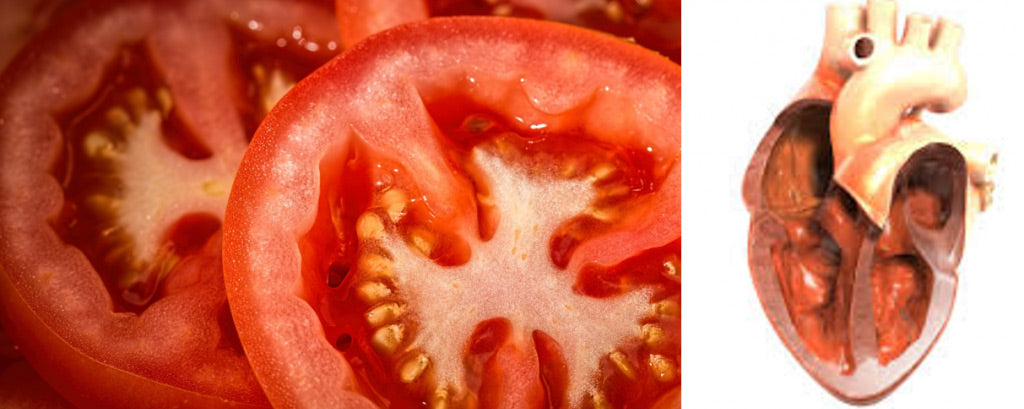
Tomatoes are red, and so is the heart. The insides of tomatoes also look like the chambers of the heart. Tomatoes contain lycopene, which reduces the risk of heart disease for those who consume it.
Tip: cooked tomatoes — sauces, soups and passata — deliver more usable lycopene than raw tomatoes, especially when cooked with a little olive oil.
12. Red Wine – Blood

Lastly, red wine looks like blood. Red wine has blood-thinning compounds, which help prevent the blood clotting associated with heart disease. Red wine is also rich in antioxidants and polyphenols that help protect the blood from damage.
Keep it in moderation: the polyphenols in red wine are also found in red grapes, berries and dark chocolate, without the alcohol. If you do drink, Australian guidelines recommend healthy adults have no more than 10 standard drinks a week and no more than 4 on any one day. Alcohol is not recommended during pregnancy.
After reading this blog, it's definitely hard to "unsee" these foods' resemblance to body parts. That's a good thing, because it serves as a hack for remembering the foods that are good for you.
How to Add These Foods to Your Week
You don't need to eat all 12 every day. A few easy swaps cover most of them:
- Breakfast: avocado on toast with sautéed mushrooms, or a banana and walnuts on porridge.
- Lunch: a salad with grated carrot, kidney beans, celery and tomato, dressed with olive oil.
- Dinner: roast sweet potato with a tomato-based sauce, seasoned with fresh ginger and turmeric.
- Snacks: red grapes, celery sticks or a small handful of walnuts.
Where Turmeric Australia Fits In
Turmeric is ginger's golden cousin, and it's one of the easiest additions to the foods above — a pinch in sweet potato, soups, eggs or tomato sauces. If you'd rather not rely on cooking with it every day, our Organic Turmeric Capsules are a simple way to keep turmeric in your daily routine alongside a balanced diet.
Shop Organic Turmeric Capsules →
FAQs
Do foods really look like the body parts they help?
The resemblance is a coincidence, but it's a useful memory trick. In many cases, the food genuinely contains nutrients that support that body part, such as omega-3s in walnuts for the brain and beta-carotene in carrots for the eyes.
What is the doctrine of signatures?
The doctrine of signatures was a centuries-old belief, popular with European herbalists in the 1500s and 1600s, that a plant's shape or colour showed which part of the body it could help.
Are walnuts good for your brain?
Walnuts are the richest common nut source of ALA, a plant-based omega-3 fatty acid. Omega-3s play a role in normal brain function, and a 30 g handful of walnuts meets most adults' daily ALA needs.
Are carrots really good for your eyes?
Yes. Carrots are rich in beta-carotene, which the body converts into vitamin A. Vitamin A is needed for normal vision, especially in low light. Eating carrots with a little fat helps absorption.
Is it safe to eat raw kidney beans?
No. Raw or undercooked dried kidney beans contain phytohaemagglutinin, which can cause severe stomach upset. Soak them overnight and boil rapidly for at least 10 minutes before simmering. Canned kidney beans are pre-cooked and safe.
Is red wine good for your heart?
Red wine contains polyphenols, but the same compounds are found in red grapes, berries and dark chocolate without the alcohol. If you drink, Australian guidelines recommend no more than 10 standard drinks a week and no more than 4 on any one day.
Are turmeric and ginger related?
Yes. Turmeric and ginger both belong to the Zingiberaceae plant family, which is why their roots look so similar. Both have long histories of traditional use.
Our Simple Recommendation
Use the "looks like" trick to build variety into your week — aim to get most of these 12 foods on your plate across 7 days rather than chasing all of them daily. Choose whole foods over juices, cook tomatoes and carrots with a little olive oil, go easy on the red wine, and add turmeric to your meals or daily routine for an easy extra.
Shop Organic Turmeric Capsules →
References
- NIH Office of Dietary Supplements. Vitamin D Fact Sheet for Health Professionals.
- NIH Office of Dietary Supplements. Vitamin A and Carotenoids Fact Sheet for Health Professionals.
- NIH Office of Dietary Supplements. Omega-3 Fatty Acids Fact Sheet for Health Professionals.
- NIH Office of Dietary Supplements. Folate Fact Sheet for Health Professionals.
- National Center for Complementary and Integrative Health. Ginger.
- National Health and Medical Research Council. Australian Guidelines to Reduce Health Risks from Drinking Alcohol.
About the Author: This article was written by Kirsty Strowger, Founder of Turmeric Australia and Nature's Help — two of Australia's most trusted natural health e-commerce brands. With over 20 years of experience in the health and wellness industry, Kirsty has become a recognised authority in natural health education, product development, and women's wellness. For more than a decade, Kirsty has been writing evidence-based articles that empower Australians to take charge of their health naturally. Her passion for creating high-quality, science-backed supplements has helped thousands of Australians improve their wellbeing — the natural way.
Disclaimer: This information is provided for general educational purposes only and does not constitute medical advice, diagnosis or treatment. No single food prevents or treats disease. Always cook dried kidney beans thoroughly, drink alcohol responsibly and within Australian guidelines, and avoid alcohol during pregnancy. Consult a qualified healthcare professional or dietitian before making significant changes to your diet, particularly if you are pregnant or have a pre-existing health condition.
There are others. For example bitter gourd when ripe has seeds in a red center which looks blood cells in blood in a blood vessel. Bitter gourd is good for cleaning the blood.
Leave a comment