

Quick Answer: The right turmeric supplement comes down to three things — disclosed curcumin content, a proven absorption method (like piperine or LipiSperse®), and transparent, organic sourcing. Whole turmeric suits general wellness; a standardised curcumin extract suits targeted support.
Turmeric supplements are everywhere — capsules, tablets, powders, liquid drops — but they're not interchangeable. Two products can both say "turmeric" on the label and deliver completely different results, because curcumin content and absorption vary enormously between brands. Here's what actually separates an effective turmeric supplement from one that does very little.
Table of Contents
- Curcumin Is the Active Ingredient — Check the Amount
- Bioavailability: The Difference Between a Good and Useless Supplement
- Whole Turmeric vs. Curcumin Extract
- Quality and Sourcing Still Matter
- Getting the Dosage Right
- Where Do Turmeric Australia's Supplements Fit In?
- FAQs
- Our Simple Recommendation

Curcumin Is the Active Ingredient — Check the Amount
Curcumin is the compound responsible for turmeric's anti-inflammatory and antioxidant effects. The problem: curcumin content varies enormously between products, and many budget turmeric supplements list "turmeric root" on the label without disclosing how much actual curcumin is in each dose.
When comparing a turmeric supplement, check the label for curcumin content per serving (not just total turmeric weight) and a standardised curcuminoid percentage — aim for 95%+ standardised extracts if you want a therapeutic dose.
Bioavailability: The Difference Between a Good and Useless Supplement
This is the part most people skip, and it's the most important one. Curcumin on its own is poorly absorbed by the body — a large percentage of unenhanced curcumin passes through without being absorbed at all. That means a cheap turmeric supplement with no absorption technology may be doing almost nothing.
Look for a turmeric supplement that includes one of the following:
- Piperine (black pepper extract) — a well-studied absorption enhancer shown to significantly boost curcumin bioavailability
- Lipid-based delivery systems (e.g. LipiSperse®, HydroCurc®) — newer technologies that improve absorption without needing high doses of piperine
- Fermented or nano-emulsified turmeric — increasingly common in premium formulations
If a product doesn't mention absorption at all, treat that as a red flag, not a minor detail.
Whole Turmeric vs. Curcumin Extract
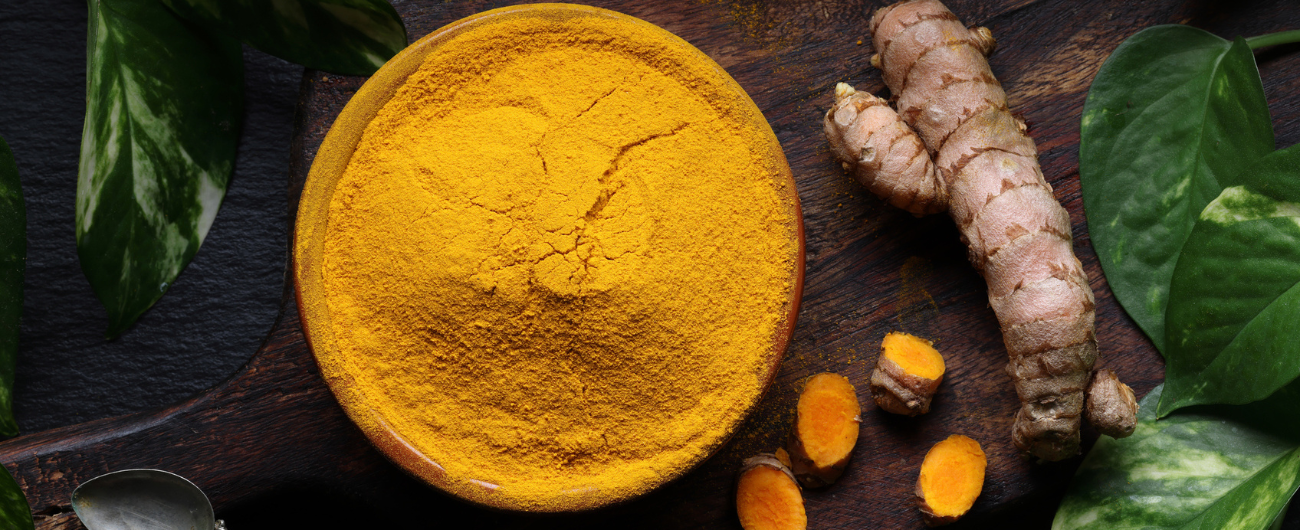
Whole turmeric (powder or capsule form) contains curcumin plus other naturally occurring compounds, and suits people wanting general, everyday wellness support as part of a varied diet. Curcumin extract is concentrated and standardised, and suits people targeting a specific outcome — joint support, inflammation, recovery — where dosage consistency matters more.
Cooking with raw turmeric is a great habit, but it's not a substitute for a therapeutic dose. You'd need unrealistic daily quantities to match what a single well-formulated capsule delivers.
Quality and Sourcing Still Matter
Look for organic certification, which reduces pesticide and heavy metal contamination risk — a known issue with turmeric sourced from certain regions. Reputable brands will also third-party test for curcumin content and contaminants, and disclose total turmeric weight, curcumin content, and any added absorption compounds clearly on the label. Avoid supplements that only advertise a "turmeric blend" with no numbers attached.
Getting the Dosage Right
Effective doses of curcumin in clinical research typically range from 500mg–2000mg per day, depending heavily on the extract's bioavailability — a highly absorbable formulation needs less to achieve the same effect as a low-bioavailability one. Always follow the dosage on the label, and check with a healthcare professional if you're pregnant, on medication (particularly blood thinners), or managing a chronic condition.
Where Do Turmeric Australia's Supplements Fit In?
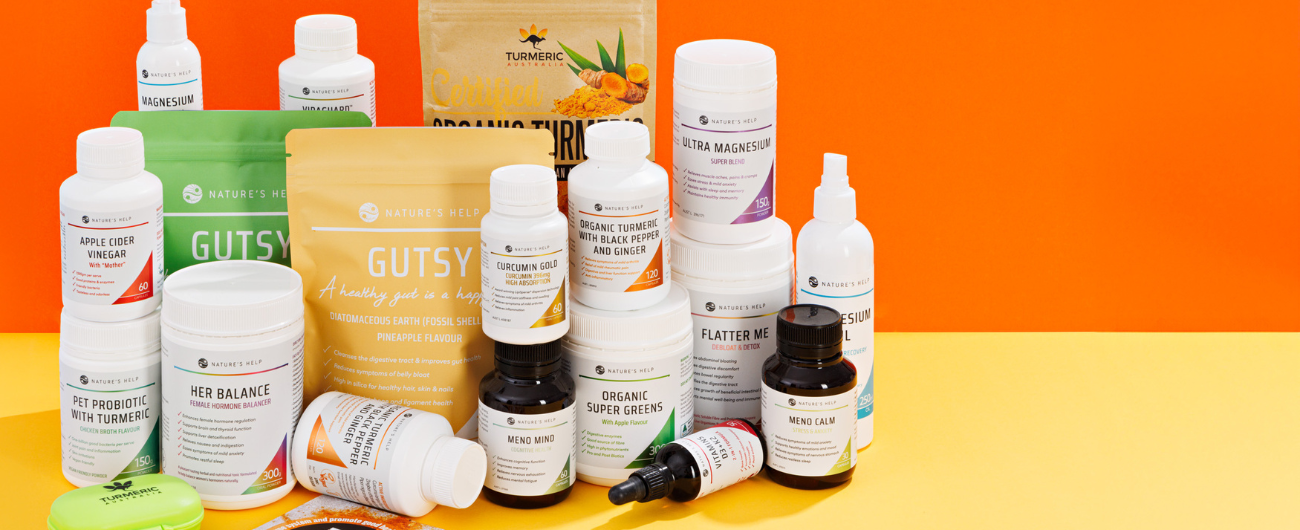
Curcumin Gold is a concentrated curcumin extract using HydroCurc® and LipiSperse® technology for enhanced absorption — best for targeted anti-inflammatory and antioxidant support.
Organic Turmeric Capsules with Black Pepper and Ginger combine whole turmeric with piperine for absorption — a simple, everyday wellness option.
Shop Organic Turmeric Capsules with Black Pepper and Ginger →
Organic Turmeric Powder is a versatile, whole-food option for those who want to add turmeric into meals, smoothies, or drinks.
Shop Organic Turmeric Powder →
FAQs
What is the best turmeric supplement for absorption?
Look for a turmeric supplement combined with piperine (black pepper extract) or a lipid-based delivery system like LipiSperse® or HydroCurc®. Curcumin on its own is poorly absorbed, so the delivery method matters more than the turmeric dose itself.
How much curcumin should I take per day?
Most clinical research uses doses between 500mg and 2000mg of curcumin per day, depending on the formulation's bioavailability. Check the label and speak to a healthcare professional if you're pregnant, on medication, or managing a health condition.
Is turmeric powder as effective as a curcumin extract?
Not for targeted therapeutic use. Whole turmeric powder contains a much lower concentration of curcumin than a standardised extract, so you'd need very large daily amounts to match the dose in a single high-absorption capsule. Powder suits general dietary use; extracts suit specific health goals.
Can I take a turmeric supplement every day?
Yes, most turmeric supplements are designed for daily use, but always follow the dosage on the label. If you're on blood thinners or other medication, check with a doctor first, as curcumin can interact with certain drugs.
Are organic turmeric supplements worth it?
Yes — organic certification reduces the risk of pesticide residue and heavy metal contamination, which has been a documented issue with turmeric sourced from some regions. It's a meaningful quality marker, not just a price premium.
How long does it take for a turmeric supplement to work?
Most people report noticeable effects within 4-8 weeks of consistent use, though this varies by individual, dose, and the bioavailability of the formulation.
Our Simple Recommendation
Don't choose a turmeric supplement on marketing alone. Check the curcumin content per serving, confirm it includes a proven absorption method, and favour organic, transparently labelled products. Match the format to your goal — whole turmeric for general wellness, a high-absorption curcumin extract for targeted support.
References
About the Author
This article was written by Kirsty Strowger, Founder of Turmeric Australia and Nature's Help — two of Australia's most trusted natural health e-commerce brands. With over 20 years of experience in the health and wellness industry, Kirsty has become a recognised authority in natural health education, product development, and women's wellness. For more than a decade, Kirsty has been writing evidence-based articles that empower Australians to take charge of their health naturally. Her passion for creating high-quality, science-backed supplements has helped thousands of Australians improve their wellbeing — the natural way.
Leave a comment