

Quick Answer: You can use turmeric as a daily capsule, in drinks like turmeric lattes and smoothies, as a powder or paste in cooking, and topically in face masks, scalp treatments and homemade soap. It even works as a natural fabric dye. For internal use, pair turmeric with black pepper and a little fat to help your body absorb curcumin.
How Can I Use Turmeric?
Turmeric is fast becoming recognised as one of the most powerful spices in the world. You'll often hear it referred to as the Queen of Spices, and in 2016, Google Food Trends listed it as one of the rising stars. According to scientific research, it has been claimed that there are over 300 active ingredients in turmeric, which include turmerone, zingiberene, cineole and curcumin, that are considered very healthy for the body. So, that's great, you want to take turmeric — but how, and in what forms, can I use it? This article points out 10 ways to take this magnificent herb. We always recommend taking organic turmeric to obtain the maximum benefits and to be sure you are receiving the best quality turmeric.
Turmeric is a herb that contains a notable phytonutrient profile. At 159,277 µmol TE/100 g, its total ORAC value, or antioxidant strength, is one of the highest among known herb and spice species.
Did you know that 100 grams of turmeric contains 53% of the Recommended Daily Allowance (RDA) of dietary fibre and 138% vitamin B6, 32% niacin, 43% vitamin C, 21% vitamin E, 54% potassium, 517% iron, 304% manganese and 40% zinc?
For context: most people use around 1 teaspoon (roughly 3 g) of ground turmeric at a time, not 100 g. Turmeric adds nutrients to your diet, but its main appeal is its curcuminoids, which make up around 3% of turmeric powder by weight on average.

In This Article
- 10 Ways to Use Turmeric
- How to Get the Most From Turmeric
- Where Turmeric Australia Fits In
- FAQs
- Our Simple Recommendation
- References
10 Ways to Use Turmeric
#1. Take as a Turmeric Capsule
You can purchase organic turmeric capsules for easy use. It's easy to remember and you don't have to think about it too much — simply make it your habit to take your turmeric capsules each day with your breakfast, lunch or dinner. We recommend organic to get the best results. Find out more about Turmeric Capsules here.
Capsules are the most consistent option: the same amount every day, no taste, no mess and no stained benchtops. Taking them with a meal that contains some fat can help absorption, as curcumin is fat-soluble.
#2. Drink Turmeric as a Liquid
The most obvious is the turmeric latte. It's warm, tastes great and is good for you! It's also a fantastic replacement for your daily coffee. You could try our Chai Latte Mix with Turmeric. Why not also consider drinking your turmeric as a shot, or mixed with water or juice? Nature's Help bio-fermented turmeric liquid with probiotics is another way you can take your turmeric. Learn more about Bio-Fermented Turmeric here.
Quick turmeric latte: warm 1 cup of milk (dairy, oat, almond or coconut), whisk in ½–1 teaspoon of turmeric with a pinch of black pepper and cinnamon, and sweeten with honey to taste.

#3. Use Turmeric as a Powder
If powder form is your preference, try an organic turmeric powder. You can sprinkle it on your food, make it into a turmeric paste or the very popular golden milk, or even add it to your pet's food. Find out how to make Turmeric Paste here.
Store turmeric powder in an airtight container away from heat and direct light. Curcumin is sensitive to light, so a dark cupboard keeps your powder fresher and more vibrant for longer.
#4. Add Turmeric to Your Food
Due to the fact that turmeric contains numerous health benefits, it's no wonder that many people are experimenting with plenty of different ways to take it. Turmeric is fantastic for a variety of dishes, whether for a main course, snack or dessert. You can add some turmeric to any dish that you are sautéing on the cooktop, like stir-fries, scrambled eggs, lentils and seafood. To gain all the magnificent benefits from turmeric, make sure you get non-irradiated, organic spices. Be careful where you put it though — its colour is so strong that it can dye whatever it comes into contact with. In need of some recipes? You can find more in this downloadable Turmeric eBook.
Easy everyday ideas: ½ teaspoon in scrambled eggs, 1 teaspoon in a pot of rice or lentils, or a pinch in roast vegetables tossed with olive oil. Adding it towards the end of cooking helps preserve more of its curcumin, as long, high-heat cooking can reduce it.

#5. Add Turmeric to Your Smoothie
Add turmeric to a host of drinks for a boost of health. A splash of turmeric in your favourite juice will help keep the doctor away. Turmeric lattes are also now becoming very popular in cafes around the world. Want a little help with the ingredients? We have done it all for you. Also try our Tropical Smoothie Blend with Turmeric — it's a great addition to any smoothie, plus it contains 72 trace minerals. Our favourite fruit smoothie recipe contains coconut oil, coconut milk, frozen pineapple, banana, ginger and cinnamon, plus 1 to 2 teaspoons of the Tropical Smoothie Blend with Turmeric… absolutely delicious! Looking for more turmeric smoothie recipes? Click here.
The coconut oil and coconut milk in this recipe do more than add creaminess. Because curcumin is fat-soluble, they help your body absorb it.
#6. Turmeric Paste for Teeth Whitening
Yes, you read that right! Turmeric truly does make your teeth whiter! It seems odd, given that turmeric stains your skin and can be used for colouring, however it helps whiten your teeth. Not sure what to do or how it works? Check out this video, which helps explain How to Whiten Your Teeth With Turmeric.
How people do it: mix a small amount of turmeric powder with a few drops of coconut oil, brush gently for 2–3 minutes, then rinse well and brush again with your usual toothpaste. Use a dedicated toothbrush, as turmeric will stain the bristles.
#7. Turmeric for Your Skin
You can make a Turmeric Face Mask for glowing and blemish-free skin using a simple mix, as shown in this video: How To Make a Turmeric Face Mask.
Simple mask: 1 teaspoon of turmeric, 1 tablespoon of natural yoghurt and 1 teaspoon of honey. Apply for 10–15 minutes, then rinse with warm water. Always patch test on your inner arm first, and keep it short on fair skin, as turmeric can leave a temporary yellow tint.
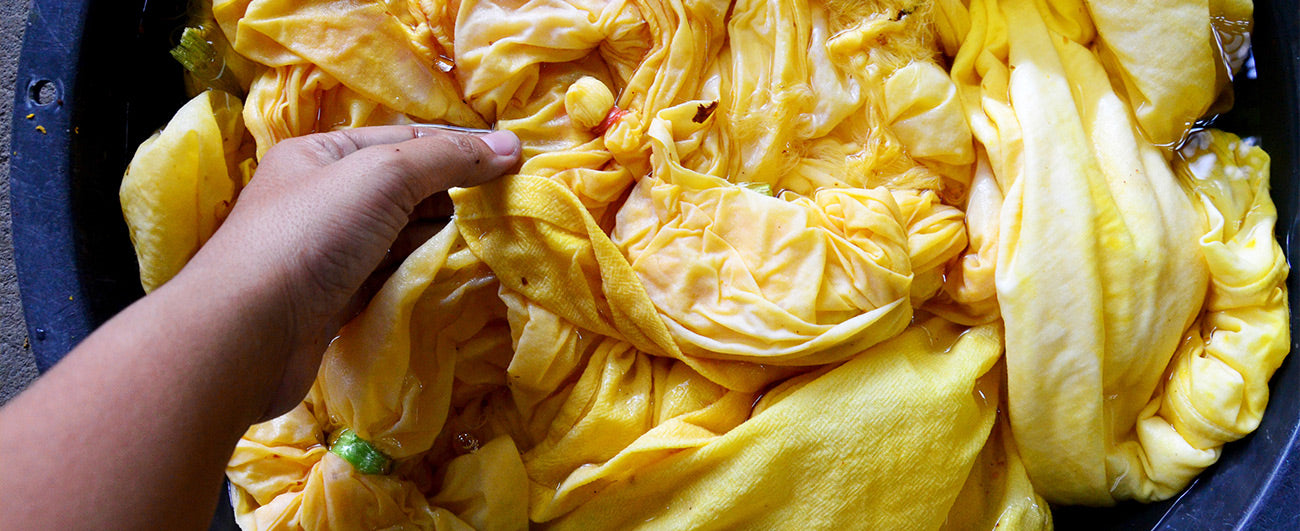
#8. Use Turmeric as a Fabric Dye
Conventional fabric dyes normally bring trouble: the runoff from fabric dye tends to pollute waterways, and the dyes themselves are not so healthy for workers who are around them day in and day out, either. Now you can solve all these problems by using turmeric to make a non-toxic, natural fabric dye.
Tips for better results: natural fibres like cotton, linen, silk and wool take the dye best. Pre-treating the fabric with a mordant such as alum helps the colour hold. Turmeric can fade with sunlight and repeated washing, so wash dyed items in cold water and dry them in the shade.
#9. Use Turmeric as a Scalp Conditioner to Ward Off Dandruff
Problem with dandruff? Turmeric appears effective as a scalp conditioner to fight off a flaky scalp. It will also work to boost the overall condition of the scalp. Make a mix of turmeric powder and some coconut oil, then massage it into your scalp and leave it on for 15 minutes. Shampoo and style as normal.
A good starting ratio is 1 teaspoon of turmeric to 2 tablespoons of coconut oil. If you have light blonde or grey hair, test on a small section first, as turmeric may leave a slight golden tint.

#10. Use Turmeric in Homemade Soap
Turmeric's powerful healing qualities assist in easing eczema, dry skin, acne and psoriasis conditions, and have long been known in India and Asia. Consider using turmeric in a simple homemade soap formula to help treat a host of skin ailments.
A little goes a long way: around ½–1 teaspoon per batch of melt-and-pour soap base gives a warm golden colour without staining your skin or washcloth. Using too much can leave a yellow residue.
Whatever you decide to do with turmeric, as you can see, there are many ways it can be used — not only as a supplement or in your food, but also topically for the skin, and even as a fabric dye! Do you have another way you use turmeric? Be sure to share it with us — we always love to hear.
How to Get the Most From Turmeric
Curcumin on its own is poorly absorbed by the body. If you're taking turmeric internally, three simple habits make a real difference:
- Add black pepper — piperine in black pepper increased curcumin bioavailability by around 2,000% in a human study.
- Take it with fat — curcumin is fat-soluble, so pairing it with milk, coconut oil, olive oil or a meal helps absorption.
- Be consistent — a small amount every day is more practical and sustainable than large amounts occasionally.
For the full explanation, read The Science Behind Turmeric and Black Pepper on our sister site, Nature's Help.
Where Turmeric Australia Fits In
If you want the simplest, most consistent way to get turmeric into your day, our Organic Turmeric Capsules are the easiest place to start. There's nothing to measure, mix or clean up — just take them with a meal.
Use them as your daily base, then enjoy turmeric in lattes, smoothies and cooking whenever you like.
Shop Organic Turmeric Capsules →
FAQs
What is the easiest way to take turmeric every day?
Capsules are the easiest and most consistent option. There's no taste, no preparation and no staining — just take them with a meal. Lattes, smoothies and cooking are great additions if you enjoy the flavour.
Is turmeric better as a capsule, powder or liquid?
Each suits a different routine. Capsules are best for convenience and consistency, powder is best for cooking and homemade paste, and liquids suit people who prefer to drink their turmeric. The best form is the one you'll take regularly.
Why should I take turmeric with black pepper?
Black pepper contains piperine, which has been shown in human research to significantly increase how much curcumin the body absorbs. Taking turmeric with a source of fat also helps, as curcumin is fat-soluble.
Does turmeric stain teeth or skin?
Turmeric can leave a temporary yellow tint on skin, nails, toothbrushes and fabric. Rinse well after topical use, patch test first, and use a dedicated toothbrush if you try it on your teeth.
Can I put turmeric directly on my skin?
Many people use turmeric in face masks mixed with yoghurt or honey. Always patch test on your inner arm first, and stop using it if you notice redness, itching or irritation.
Why choose organic turmeric?
Organic turmeric is grown without synthetic pesticides and is typically non-irradiated, so you know exactly what you're getting. It's our recommendation for both cooking and supplements.
Who should avoid taking turmeric?
Check with your healthcare professional before taking turmeric regularly if you are pregnant or breastfeeding, have gallbladder problems, or take blood-thinning, diabetes or other prescription medications.
Our Simple Recommendation
Make capsules your daily foundation for consistency, then add turmeric to your food and drinks when it suits you — a latte in the afternoon, a smoothie in the morning, a teaspoon stirred through dinner. Always choose organic, pair it with black pepper and a little fat, and patch test before using it on your skin or scalp.
Shop Organic Turmeric Capsules →
References
- Shoba G, et al. (1998). Influence of piperine on the pharmacokinetics of curcumin in animals and human volunteers. Planta Medica.
- Tayyem RF, et al. (2006). Curcumin content of turmeric and curry powders. Nutrition and Cancer.
- Hewlings SJ & Kalman DS (2017). Curcumin: A Review of Its Effects on Human Health. Foods.
- National Center for Complementary and Integrative Health. Turmeric.
- USDA FoodData Central. Spices, turmeric, ground.
About the Author: This article was written by Kirsty Strowger, Founder of Turmeric Australia and Nature's Help — two of Australia's most trusted natural health e-commerce brands. With over 20 years of experience in the health and wellness industry, Kirsty has become a recognised authority in natural health education, product development, and women's wellness. For more than a decade, Kirsty has been writing evidence-based articles that empower Australians to take charge of their health naturally. Her passion for creating high-quality, science-backed supplements has helped thousands of Australians improve their wellbeing — the natural way.
Disclaimer: This information is provided for general educational purposes only and does not constitute medical advice, diagnosis or treatment. Turmeric may interact with certain medications, including blood thinners and diabetes medications, and may not be suitable during pregnancy or for people with gallbladder conditions. Always patch test before applying turmeric to your skin, scalp or teeth, and discontinue use if irritation occurs. Consult a qualified healthcare professional before adding turmeric supplements to your routine, particularly if you have a pre-existing health condition.
Leave a comment